Diamond Shape and Cut
Diamond Buyer's Guide
Diamond Shapes
The shape of a diamond refers to its outline when it is viewed from above and is usually known as cut. The shape, or cut, of a diamond is usually determined by the original shape of the rough stone, the location of any inclusions and the carat weight of the stone.
Round brilliant diamonds
The most popular diamond shape and the traditional shape for a diamond engagement ring, a round brilliant diamond is cut in a round shape at the top and the rest of it is cone shaped to maximise the return of light. Because it is the same shape all around, it has a large return of light and is the most brilliant of diamond cuts.
Of all diamond shapes, round brilliant has been the most researched by diamond cutters. Introduced in the 17th century with only 17 facets, and over the last three hundred years diamond cutters have used advanced light theories and math's to develop the round brilliant diamond that we know today with an average 58 facets.
Round Brilliant are not to be confused with round diamonds, which are also desirable and valuable, but not cut with the same detail and consideration in the facets and return of light.
Fancy Diamonds
Any diamond shape that isn't round brilliant is known as a 'fancy' shape. Fancy shaped diamonds were developed to maximise a diamond's beauty. The following are examples of fancy diamonds, however H.Samuel may not stock all of these cuts.
Princess cut diamonds
The princess cut diamond is the most popular fancy-shaped diamond. The top of a princess cut diamond is square with pointed corners, while its overall shape is a pyramid. A relatively new style developed in the 1970s it radiates fire and brilliance. Princess cut diamond engagement rings are a contemporary alternative to the classic round brilliant diamond engagement ring.
Emerald cut diamonds
An emerald cut diamond has a rectangular top with cropped corners and is cut to accentuate a diamond's luster. This style of cutting was originally used for the cutting of emeralds, but is equally effective with other gemstones, including diamonds. Popular in the Art Deco period, this shape is enjoying a huge revival in diamond jewellery. Emerald cut diamond engagement rings are increasingly fashionable.
Marquise diamonds
Originally commissioned by King Louis XIV to compliment the smile of his mistress, the Marquise de Pompedour, Marquise diamonds is cut to maximize its carat weight and has a brilliant cut. Marquise diamonds work beautifully as a central stone in a diamond engagement ring or as an accent stone in diamond jewellery.
Oval diamonds
Oval shaped diamonds are a modern take on the traditional round brilliant. Oval is a relatively new diamond shape and was developed in the 1960s by Lazare Kaplan, the cousin of mathematician Marcel Tolkowsky who was instrumental in developing round brilliant diamonds.
Baguette diamonds
Slender and rectangular, baguette shaped diamonds are the most common form of step cut diamonds. Baguette diamonds have a small, rectangular cut and slightly resemble a French bread stick, or baguette. Very popular in eternity or wedding rings, they are also used as an accent stone to highlight a larger stone in a diamond cluster ring or are combined with similar sized round brilliant cut diamonds to create a dazzling look.
Pear diamonds
Also known as teardrop because of its single point and rounded end, the pear shaped diamond is a brilliant cut diamond that combines the shape of an oval diamond and a marquise diamond.
Heart diamonds
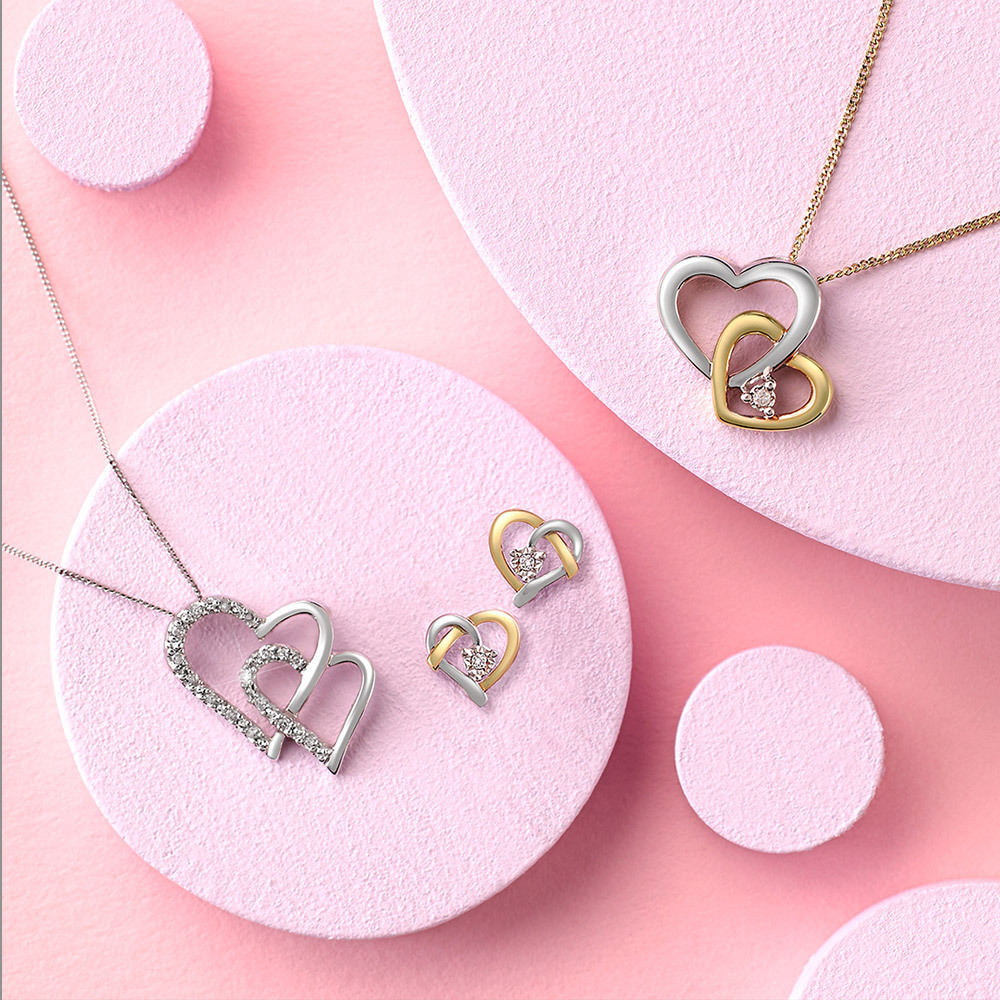
The heart shaped diamond represents the ultimate symbol of love, the heart. A pear shaped diamond with a cleft cut into its top, it has a complex cut which requires very skilled cutting to ensure optimum brilliance. Heart shaped diamonds are relatively uncommon but create a distinctive, romantic piece of diamond jewellery.
Asscher diamonds
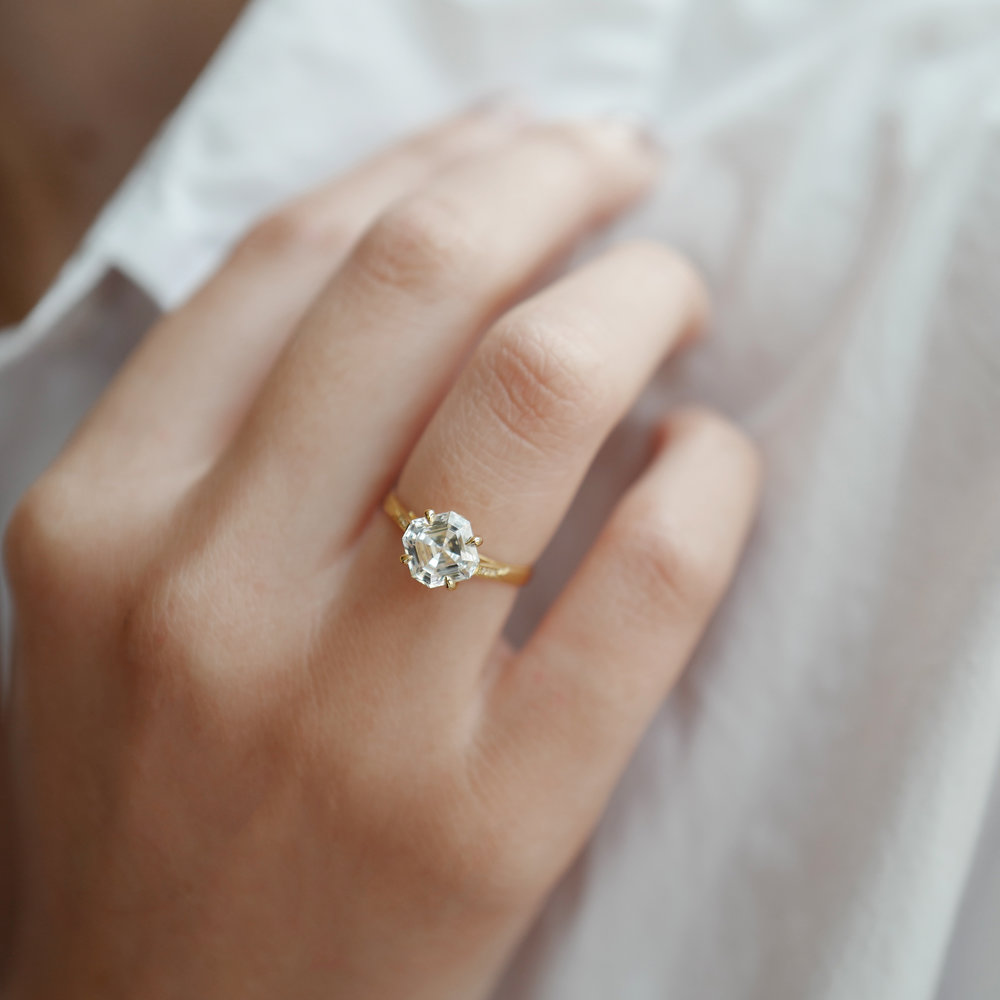
The Asscher diamond was developed in 1902 by the Asscher brothers of Holland, Abraham and Joseph, who also cut the Cullinan Diamond - the largest gem quality diamond ever found - for King Edward VII. The Asscher cut diamond has a beautiful, unique shape that is very similar to the emerald cut diamond, except that it is square. It has trimmed corners that make the diamond appear almost octagonal. While not the traditional choice for diamond jewellery, Asscher diamonds have gained exposure due to the increasing number of celebrities wearing them.
Radiant diamonds
Radiant cut diamonds are distinctive by their cropped corners and have 70 facets. They are usually rectangular in shape but can also be square. Created in the 1970s by World War II veteran Henry Gossbard, radiant cut diamonds combine the elegance of an emerald cut diamond with the brilliance of a round diamond.
Cushion diamonds
Cushion cut diamonds have been popular for over a century. Also known as pillow cut diamonds, they have rounded corners and larger facets for increased brilliance. Cushion diamonds can be square or rectangular in shape.
Trilliant diamonds
Also known as trillion, the trilliant diamond has a dramatic cut that was developed in the 1970s in Amsterdam and combines a brilliant cut and a step cut. Trilliant diamonds vary between a traditional triangular shape with pointed corners to a more rounded shape. One of the more unusual diamond shapes, the trilliant diamond is rarely used as a central stone in diamond jewellery but creates an exquisite accent stone for a round brilliant diamond solitaire.
There are many diamond shapes to choose from, in different styles and levels of brilliance. So take your time and pick the one that you love the most.